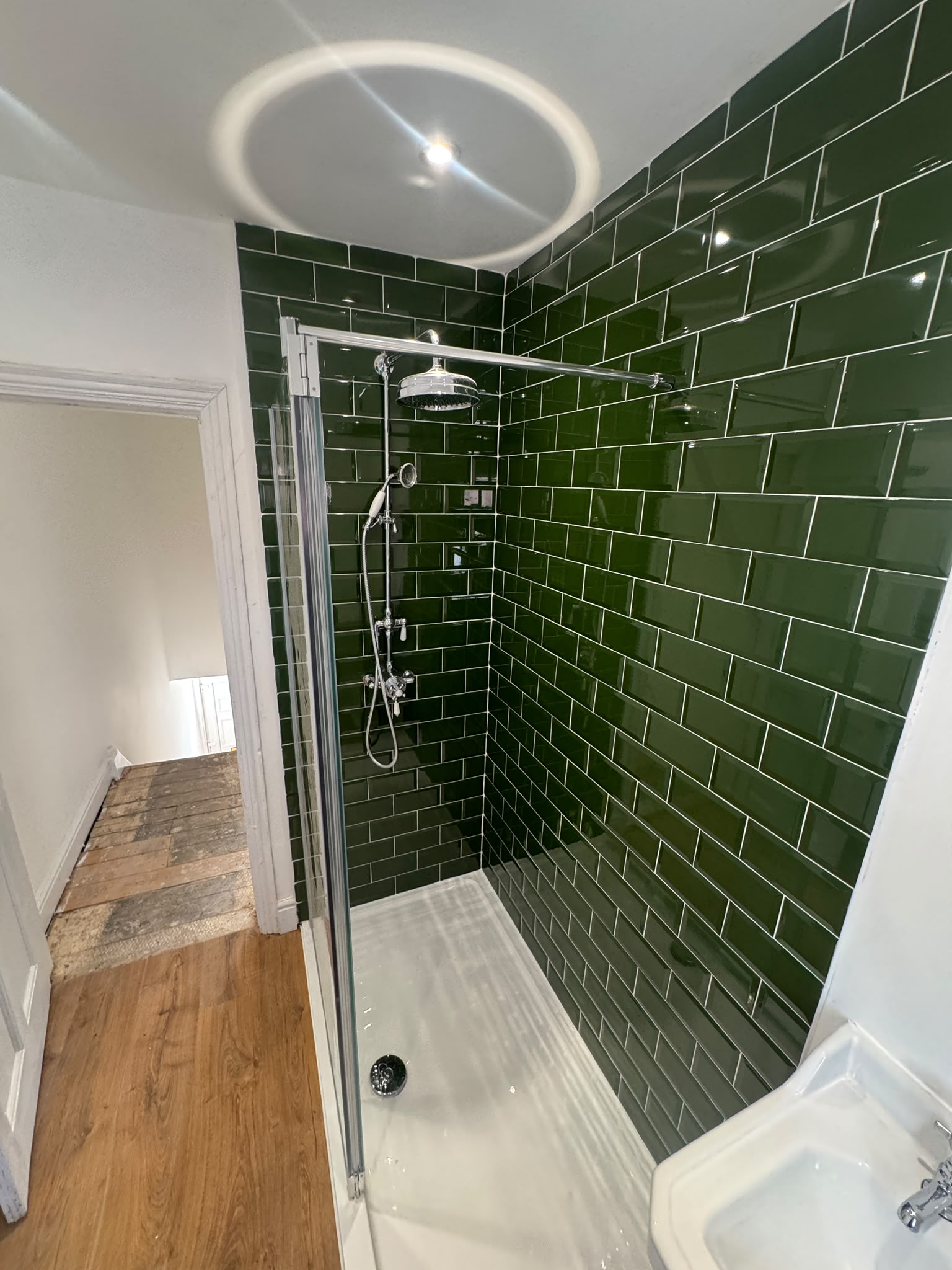
Homeowners often assume their existing buildings insurance covers a renovation or extension in progress, and quite often it does not, or only does so with conditions attached that are easy to miss. Building work changes the risk profile of a property, from open roofs and scaffolding to periods when the house is unoccupied, and insurers price and structure policies around that. This guide sets out the different types of cover involved in a typical renovation, who is responsible for arranging each one, and roughly what they cost, so nothing falls through a gap between your policy and your builder's.
Why standard buildings insurance often falls short
Most standard home insurance policies include a duty to inform the insurer of material changes to risk, and building work — particularly anything involving structural alterations, an open roof, or the house being unoccupied for periods — usually counts. Failing to notify the insurer can invalidate a claim even for something unrelated to the building work, such as a storm or a burst pipe elsewhere in the house, so checking the policy before work starts is essential, not optional.
The three types of cover in play
A typical renovation involves up to three separate types of insurance, arranged by different parties, covering different risks. Understanding the boundary between them avoids assuming something is covered when it is not.
| Cover type | Who arranges it | What it covers | Indicative premium range |
|---|---|---|---|
| Standard buildings insurance | Homeowner | The existing structure against fire, flood, storm etc, often with conditions or exclusions once notified of renovation works | £150–£400/year (existing policy, may rise once notified) |
| Renovation / unoccupied property insurance | Homeowner (specialist policy, often replacing or supplementing standard cover) | The existing structure during a period of works or vacancy, including risks standard policies exclude | £300–£900/year depending on scope and vacancy period |
| Contractor's public liability insurance | Builder | Injury to third parties or damage to neighbouring property caused by the builder's work | Typically £1m–£5m cover; cost built into the builder's overheads, not a separate homeowner charge |
| Contract works insurance | Builder or homeowner, by agreement | Damage to the works themselves in progress, e.g. materials, partially built structure, before completion | £150–£600 for a typical extension, depending on contract value and duration |
Indicative UK ranges for 2026 only; actual premiums vary significantly by insurer, project scope, region, sum insured and the specific policy wording. Always confirm cover directly with your insurer and your builder before work starts.
What the homeowner is responsible for
You are responsible for notifying your buildings insurer of the works and confirming in writing what remains covered. If the property will be unoccupied at any point, or if the roof will be open for an extended period, a standalone renovation policy is often the more reliable route rather than relying on an amendment to an existing policy. Contents insurance is a separate consideration too, particularly if belongings are moved into a garage or storage during the works.
What the builder is responsible for
A reputable builder carries their own public liability insurance covering damage or injury caused by their work to third parties, neighbouring property, or members of the public, and this should be current and adequate for the scale of the job. Ask to see a certificate before work starts; it is a reasonable request and any established contractor should have one ready to hand.
- Ask for a current public liability certificate before signing a contract
- Check the level of cover is proportionate to the project (higher for structural or steel work)
- Clarify who insures the works in progress if materials or partial structure are damaged before completion
Where contract works cover fits in
Contract works insurance covers the value of the build itself while it is under way, protecting against loss such as a fire destroying partially completed work, theft of fitted materials, or storm damage to an open structure. On smaller domestic jobs this is sometimes covered under the builder's own policy; on larger projects it is worth explicitly agreeing in the contract who holds this cover and to what value, rather than assuming it is included.
Practical steps before work starts
Contact your buildings insurer as soon as a project is confirmed, not once it starts, since some insurers want advance notice to adjust terms. Ask your builder directly for proof of public liability cover and clarify contract works responsibility in writing as part of the quote or contract, rather than leaving it as an assumption on either side.
Listed buildings and older properties
Standard renovation policies do not always cater well for listed buildings or properties built with traditional materials such as solid walls or lime render, since rebuild costs and repair methods differ from a standard modern house. A specialist insurer used to historic buildings is usually a better fit, and some standard renovation policies simply exclude listed structures altogether, so it is worth flagging the building's status at the very first enquiry rather than discovering an exclusion after a claim.
If your contractor cannot finish the job
Contract works cover generally protects against physical loss or damage to the build in progress, but it does not automatically cover the financial position if a contractor becomes insolvent or simply walks off the job partway through. That risk sits more in how the contract and payment schedule are structured, paying for work as it is completed rather than heavily in advance, than in an insurance policy. Ask your builder how staged payments are structured and keep an eye on progress against payments made, since this is the more common cause of homeowner losses on a renovation than an insured event.